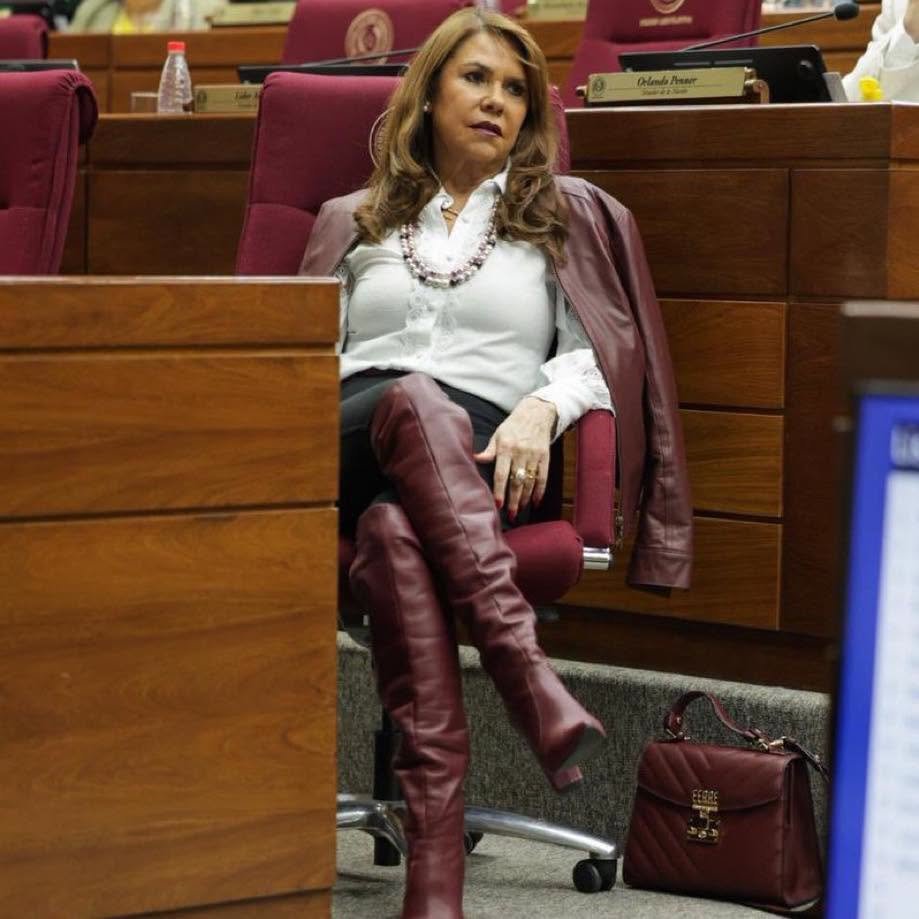
A storm has erupted beyond the football pitch after Paraguayan senator Celeste Amarilla released a powerful open letter addressed directly to Kylian Mbappé, accusing the French superstar of showing disrespect toward Paraguay and demanding an apology.
The emotional message quickly spread across social media, creating intense debate among football fans, politicians, and supporters from both nations.
Amarilla made it clear from the beginning that her criticism was not directed at France itself.
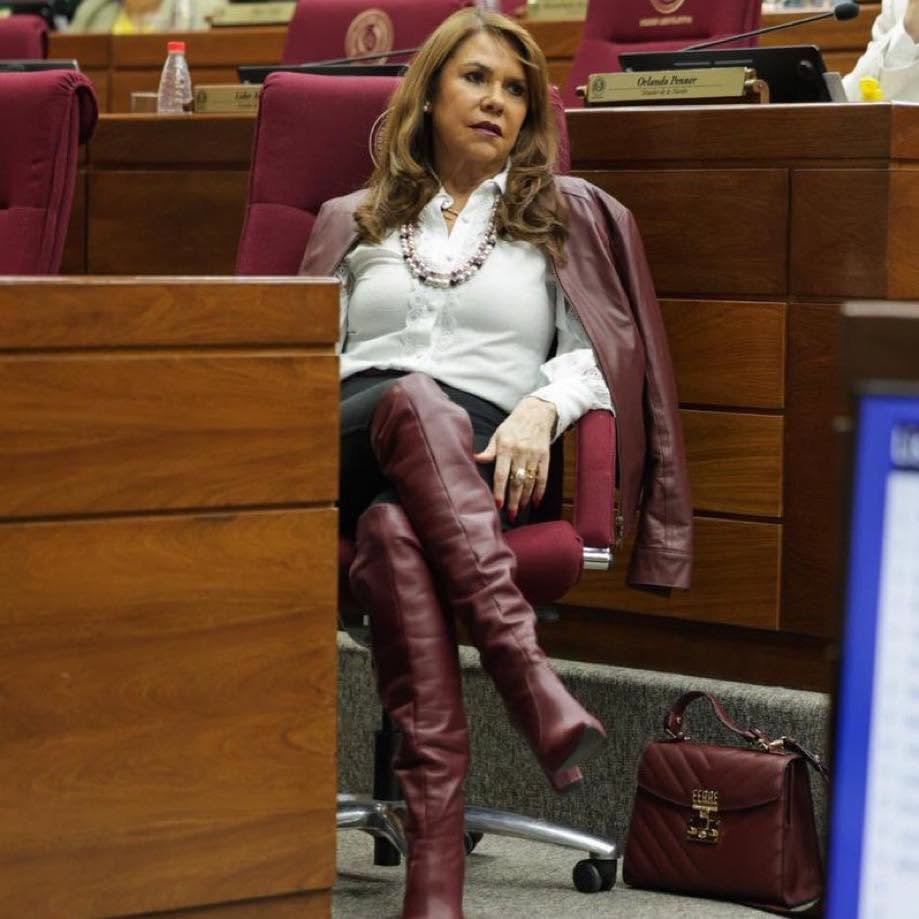
“The issue is between you and me; I never spoke about France. My problem is with you,” she wrote.
The senator explained that her connection with French culture was deeply personal, saying she studied at a French school from childhood until the end of high school and credited that education for shaping who she became.
“I am who I am thanks to the Collège de l’Immaculée Conception and the education it gave me,” Amarilla stated.
She emphasized that she respected France, its language, and its traditions, explaining that she had celebrated French culture throughout her life while maintaining pride in her Paraguayan identity.
“This has nothing to do with France. The problem is with you,” she wrote.
The heart of Amarilla’s criticism centered around comments she attributed to Mbappé before the match, including remarks about being willing to “get their hands in the mud.”
According to Amarilla, Paraguayan players interpreted those words as a reference to their team and their nation.
“We’re not stupid. We perfectly understood that by ‘the mud,’ you meant the Paraguayan team, and the Paraguayan team represents all of us,” she wrote.
She also criticized what she described as Mbappé’s attitude during the match, accusing him of displaying arrogance and disrespect toward Paraguayan players.
“During the match, your arrogance was evident. Your contempt for every Paraguayan player was clear, as if they were beneath you,” Amarilla claimed.
The senator also referred to several alleged incidents during the game, including comments made on the field and Mbappé’s interaction with Paraguay’s goalkeeper after the final whistle.
For Amarilla, those moments represented more than normal football emotions.
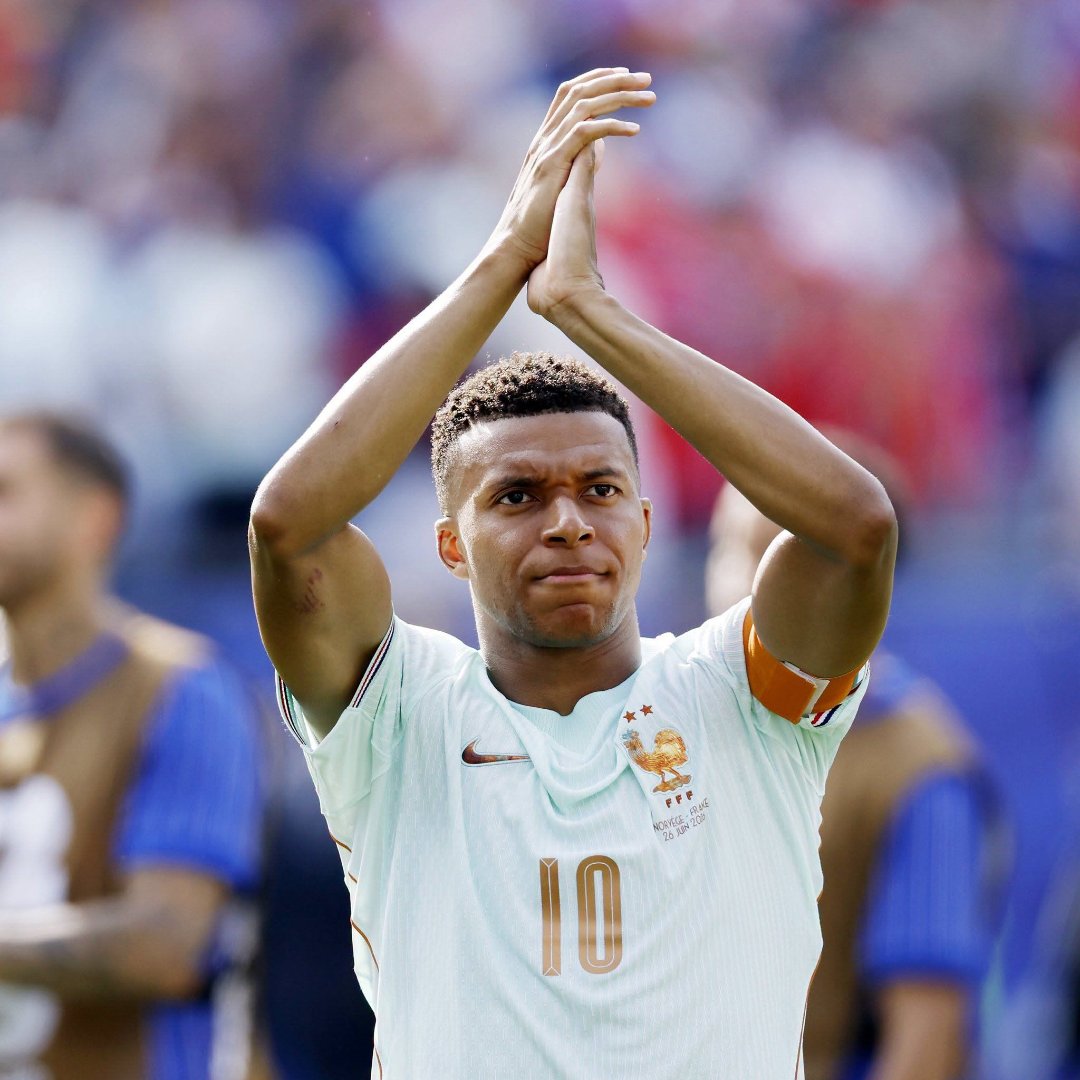
“Respect between rivals after a match is almost sacred, in war as in peace, in defeat as in victory,” she wrote.
The letter became even more personal when Amarilla addressed comments she said Mbappé made about her following her previous criticism.
She strongly rejected being described in negative terms by the French forward.
“You don’t know me. You have no idea who I am, and you have no right to say that I’m a detestable woman, unworthy of the position I hold,” she stated.
Amarilla highlighted her role as an elected representative of Paraguay, arguing that criticism directed at her because of her gender and political position crossed a line.
“I am a senator of the Paraguayan Nation, elected by the people,” she wrote.
“Thousands of Paraguayan men and women voted for me and consider me their voice.”
The senator accused Mbappé of what she described as gender-based and political violence, claiming that his remarks attacked not only her personally but also the democratic role she represents.
“It’s political violence against a woman who earned her position through her people’s democratic vote,” Amarilla wrote.
The controversy has added another layer of tension following a match that was already filled with emotion and pressure.
Mbappé remains one of the most recognized footballers in the world, admired for his talent, leadership, and achievements with both club and national teams. However, his outspoken personality and competitive intensity have often made him a figure who attracts strong reactions from supporters and critics alike.
Meanwhile, Amarilla’s statement has ignited conversations about the boundaries between competitive sports, public criticism, and personal attacks.
At the center of the debate is a question that extends beyond football:
Where does passion end and disrespect begin?
Amarilla concluded her letter with a direct demand.
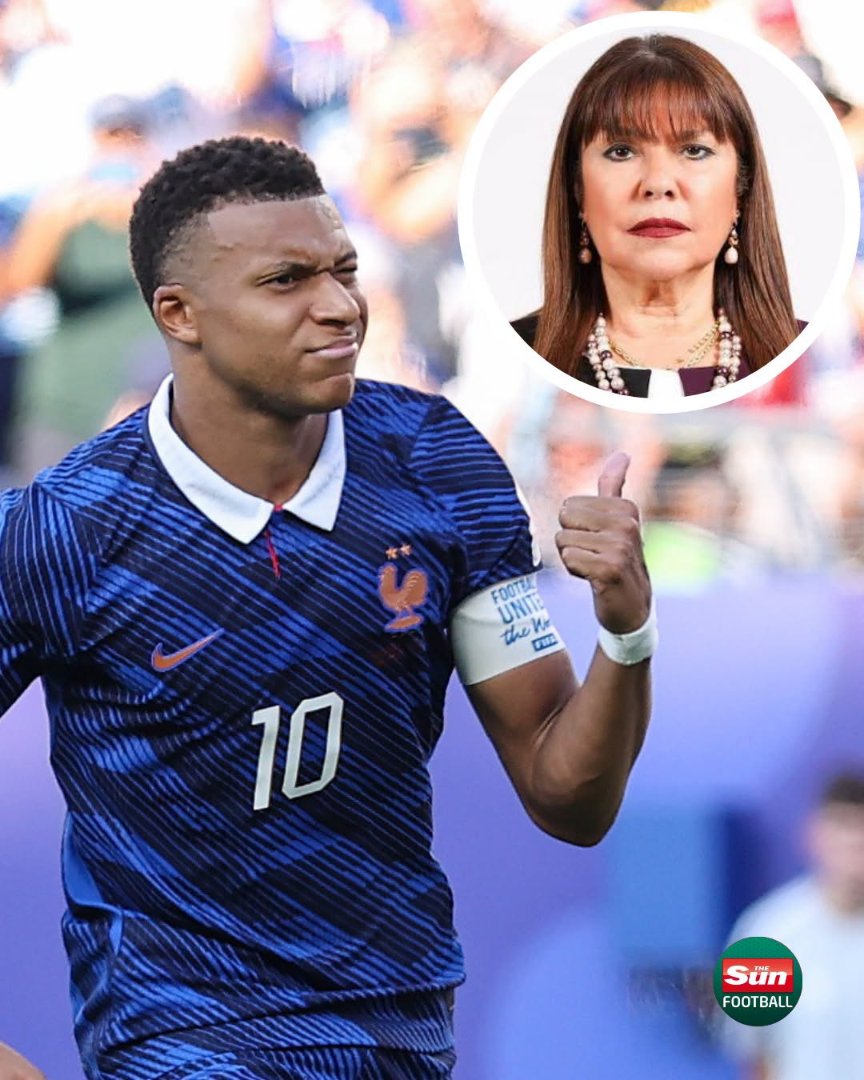
“Retract your statements, honor your French citizenship, and apologize. Otherwise, I may take legal action for gender-based violence.”
As reactions continue around the world, the dispute between the Paraguayan senator and the French superstar has become one of the most talked-about off-field controversies surrounding this tournament.
A football match may have ended on the pitch.
But the battle over words, respect, and responsibility has only just begun.
